(1).png)
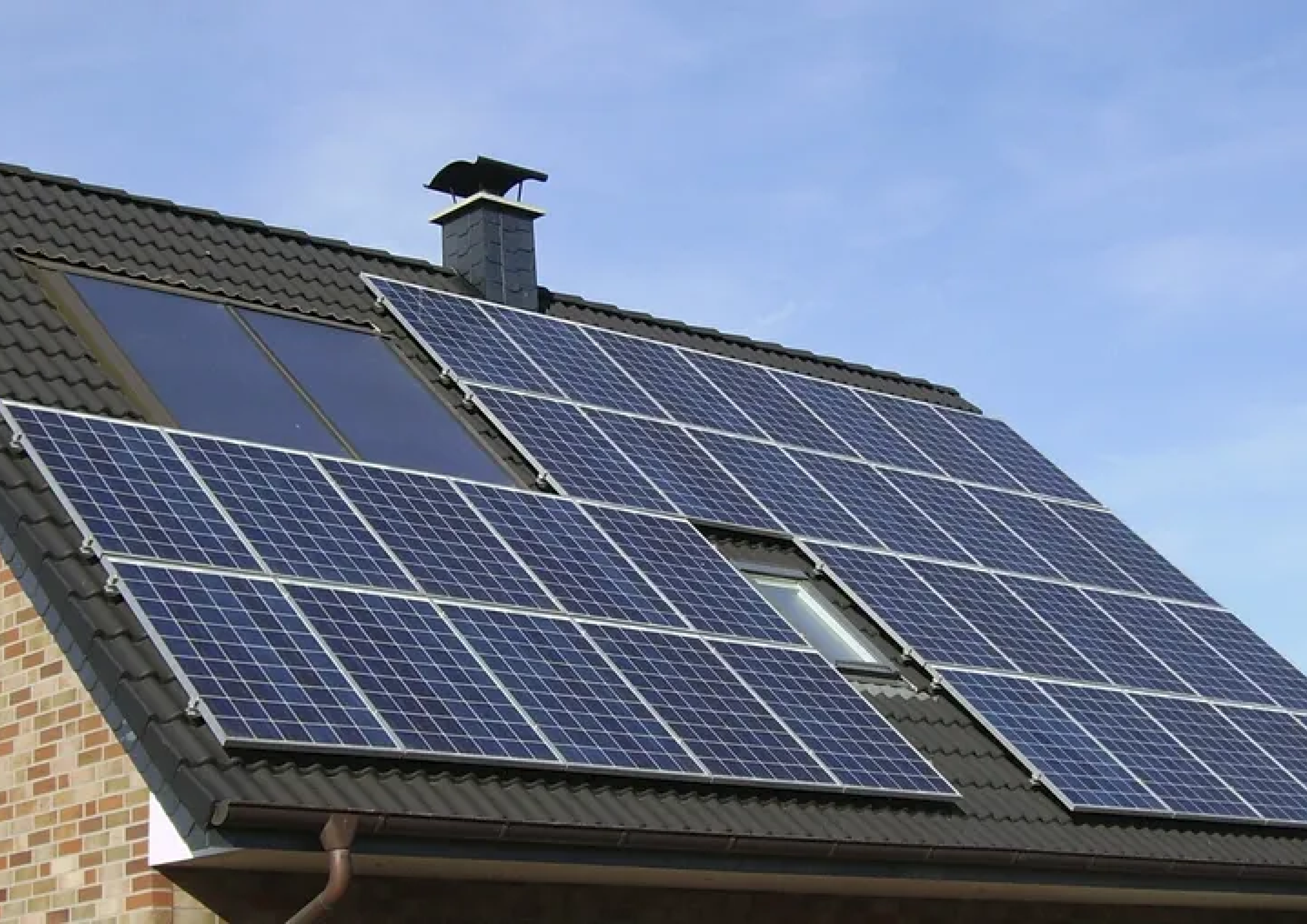
Unless you’ve been living under a rock for thelast decade, you’ve probably heard about solar power. Believe it or not, thetechnology, which is able to convert energy from the sun into usableelectricity, has been around since the end of the 19th-Century, albeit not inany useful form.
In the last decade, solar panels have seenhuge improvements in efficiency and even more impressive reductions in cost,with prices per watt or panel power down an astonishing 90% since 2013.
Today, Solar power has emerged as a leading technology in theenergy transition, providing an essential alternative to traditional fossilfuels. Solar already produces over 1000TWh (that’s a million-megawatt hours) ofpower every year globally, with plans in place to achieve 7400TWh by 2030. In2025, the International Energy Agency (IEA) expects solar power to overtakecoal to become the single largest source of energy worldwide.
In the United Kingdom (UK), there's a common but mistaken belief that solarenergy is neither cost-effective nor efficient, largely attributed to thenation's frequently cloudy weather. In fact, data from the Met Office from 1981to 2010 shows that the UK experiences rain on an average of 156 days annually.To evaluate the feasibility of solar power in the UK, it's essential tounderstand how solar technology functions.
Solar panels, specifically Photovoltaic (PV) panels, convert sunlightinto electricity. These panels are comprised of solar cells, usually made fromsilicon, a semiconductor material. When sunlight hits these cells, photons areabsorbed, initiating electron movement and producing direct current (DC)electricity. This is then transformed into alternating current (AC), whichpowers homes and businesses.
Importantly, solar panels do not rely solely on direct sunlight; theyalso harness both visible and infrared light. Infrared light is actually moreabundant during cloudy days. As a result, while solar energy output mightdecrease on the UK's typical cloudy and rainy days, solar panels remain operational.This ability makes them a viable option for the UK's climate.
So it’s cheap. But is it right for you?
The viability of a home or business installing solar very much dependson how much of it they can use as it’s produced, versus having to sell it backto the grid. The reason for this is simple - when you use your solar directly,your benefit for having consumed that unit of power is equivalent to the amountsaved by not having to buy that unit from your electricity supplier.
For example, if you’re on a tariff that sees you pay £0.28/kWh of energyyou use, then your saving from consuming the solar would be roughly equivalentto this.
If you can’t use the power when you produce it - let’s say because youwork from the office everyday and don’t need to use electricity in your houseuntil 6pm, then you’ll rely on the Smart Export Guarantee (SEG), a tariffoffered by suppliers which sees them buy the excess power back off you. Thehitch - they’ll generally pay much less for it than what you pay for power.
These range from £0.02/kWh, through to around £0.15/kWh.
The result? A much shorter payback period if you’re generally homeduring the middle of the day when panels are producing and can use their poweras and when it’s generated.
This is not to say solar doesn’t work for anyone else - with electricitycosts still elevated far beyond their pre-Ukraine war averages and panel costsreducing by the month, solar payback periods can still be attractive regardlessof your use pattern. But for those home most days, solar currently looksirresistible.
With Neura, you can useyour actual consumption patterns to investigate the viability of solar, seeingthe benefits and associated payback period in unprecedented resolution.
.png)
.png)
(1).png)


